SLB
Description
Innovative and user-centered development of a mobile app for virtual art exhibitions, allowing users to explore art from around the world.
Client
SLB
Year
2021 - 2024
Role
UI Designer
Project
CDS Application
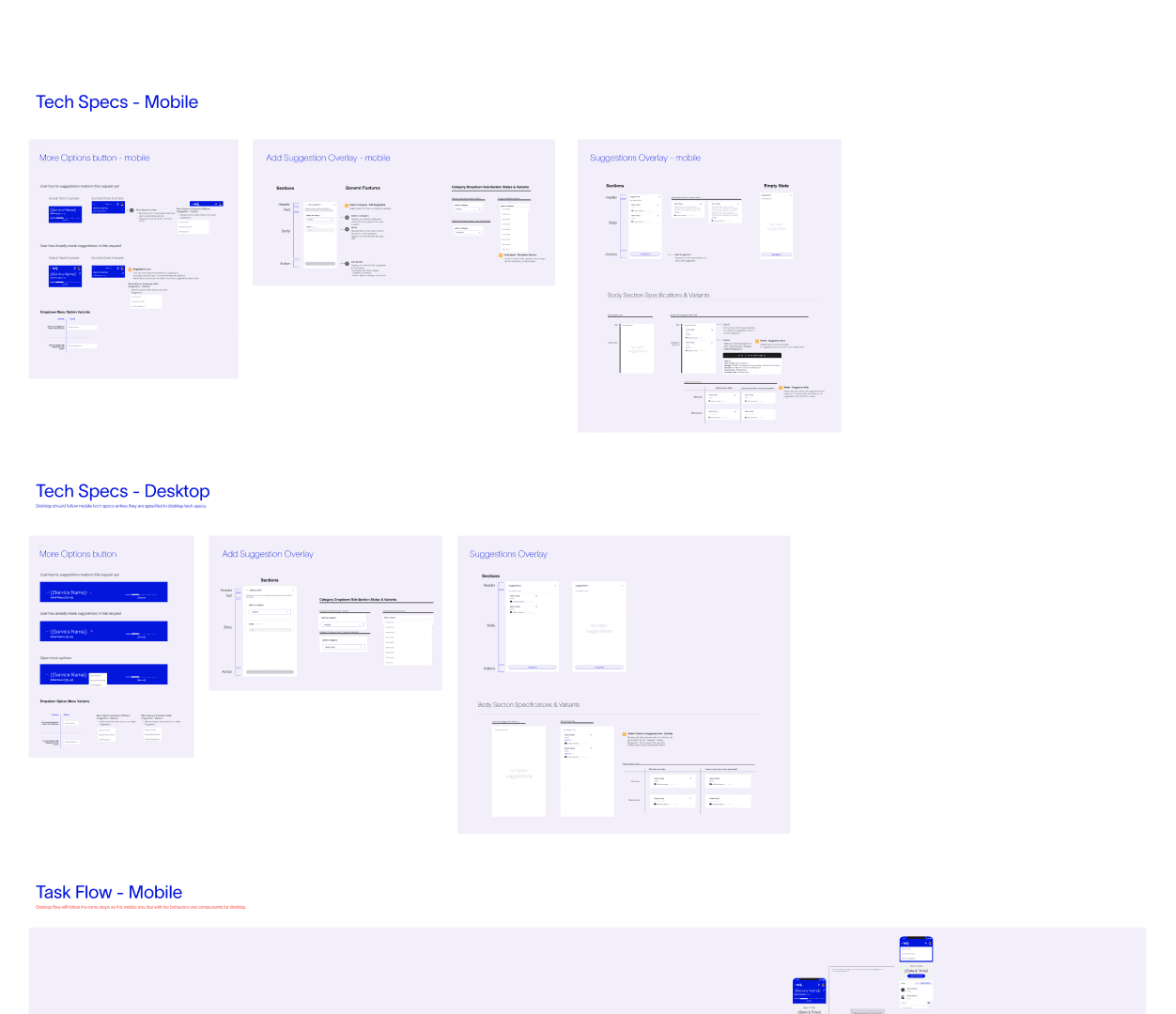
Proyect Description
vision
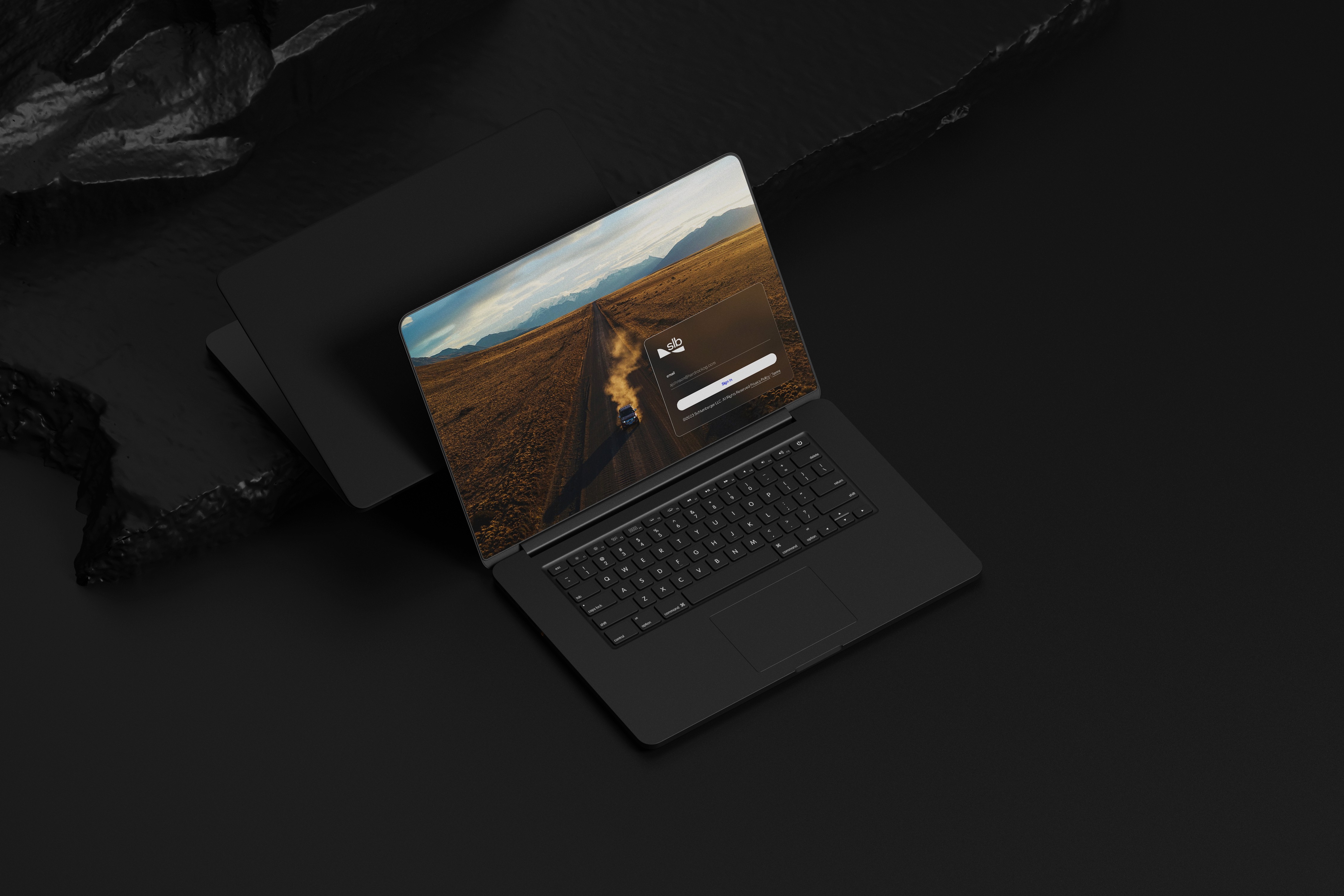
Our goal is to transform the digital experience of users in the oil industry, providing a platform that optimizes operations and facilitates data management in an intuitive and efficient manner.
Objective
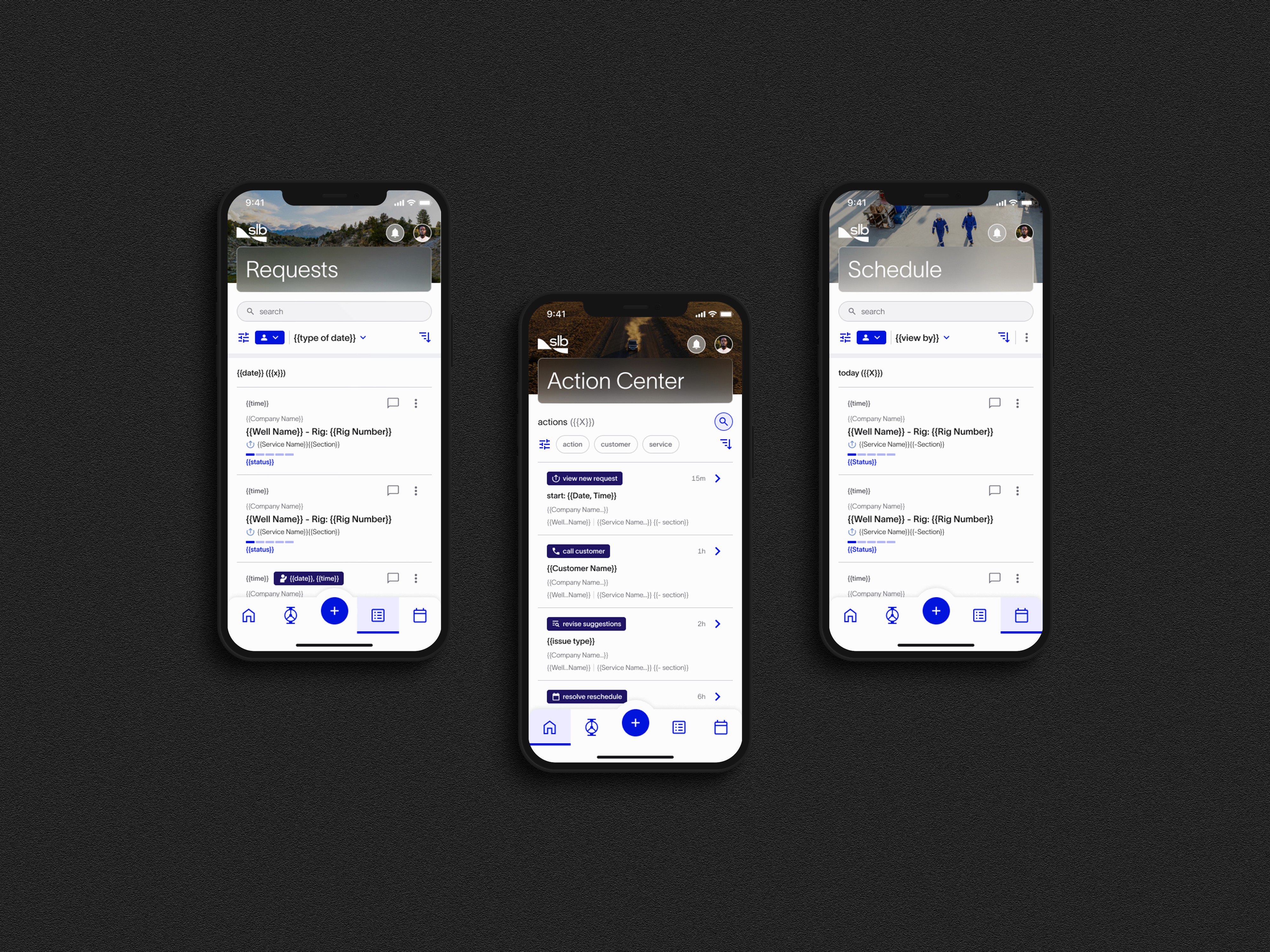
Our primary objective was to redesign SLB's user interface to make it more intuitive and user-friendly. We aimed to streamline navigation, enhance usability, and ultimately improve overall user satisfaction. By addressing key pain points identified through user research, we sought to create a seamless and efficient experience that meets the needs of both new and experienced users.
Methodology
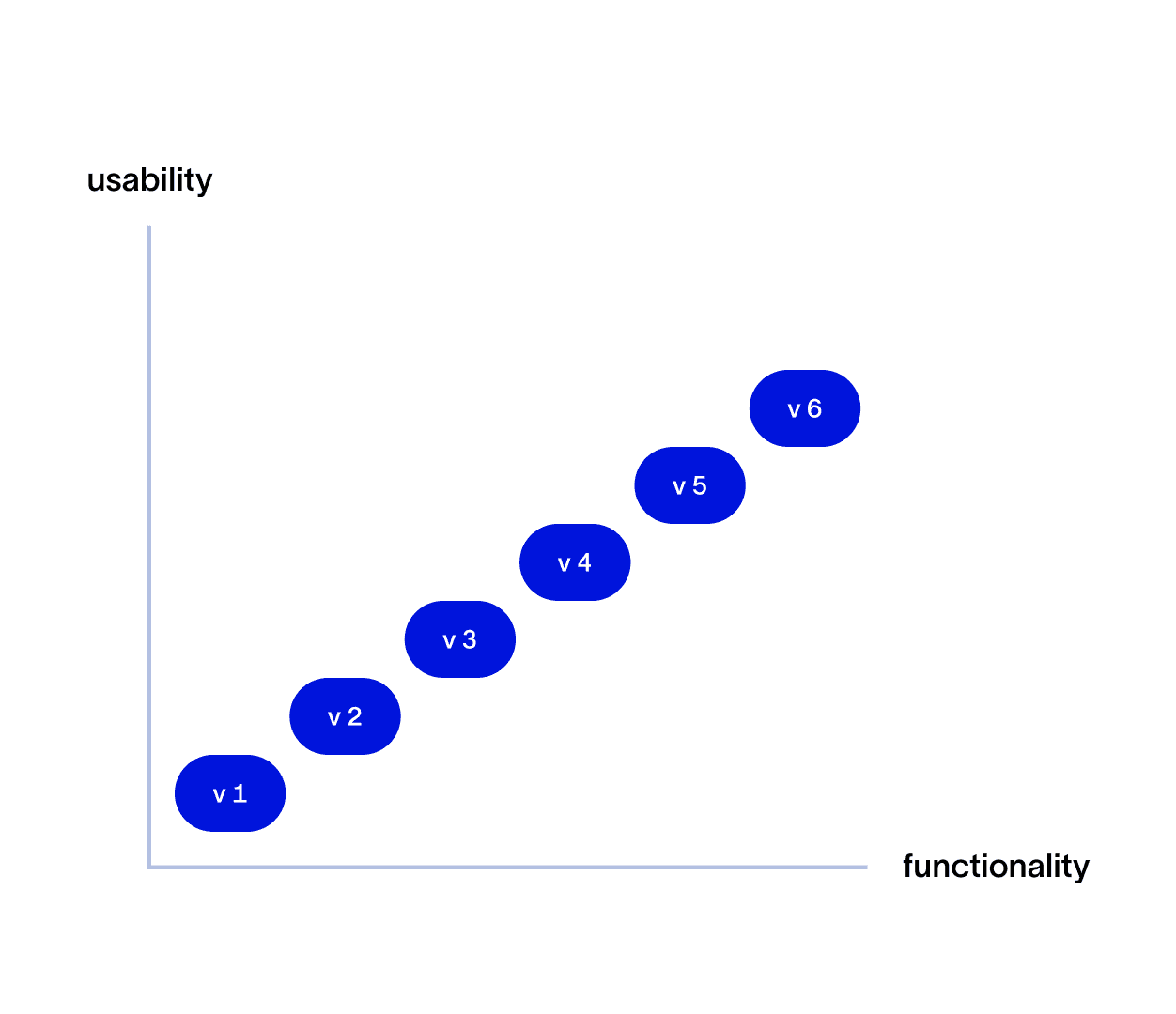
discovery
Stakeholder Interviews
Conducted interviews with key stakeholders to understand the current state of the platform and align on expectations. These interviews revealed critical insights into user pain points and business needs.
Current Process Analysis
Analyzed existing workflows and processes to identify areas for improvement. This step was crucial in painpointing inefficiencies and user frustrations.
User Journey Maps and Personas
Developed detailed user journey maps and personas to visualize user interactions and needs. This helped in creating a user-centered design approach.
definition
Product Vision Development
Developed a clear product vision that aligns with SLB's business objectives and user needs. This vision served as a foundation for the design strategy.
Strategic Framework
Created a strategic framework to guide application development, ensuring all efforts were aligned with the overall product vision and goals.
Opportunity Identification
Identified key opportunities for improvement and defined user-centered design principles to guide the redesign process.
Iteration and Validation
Prototyping
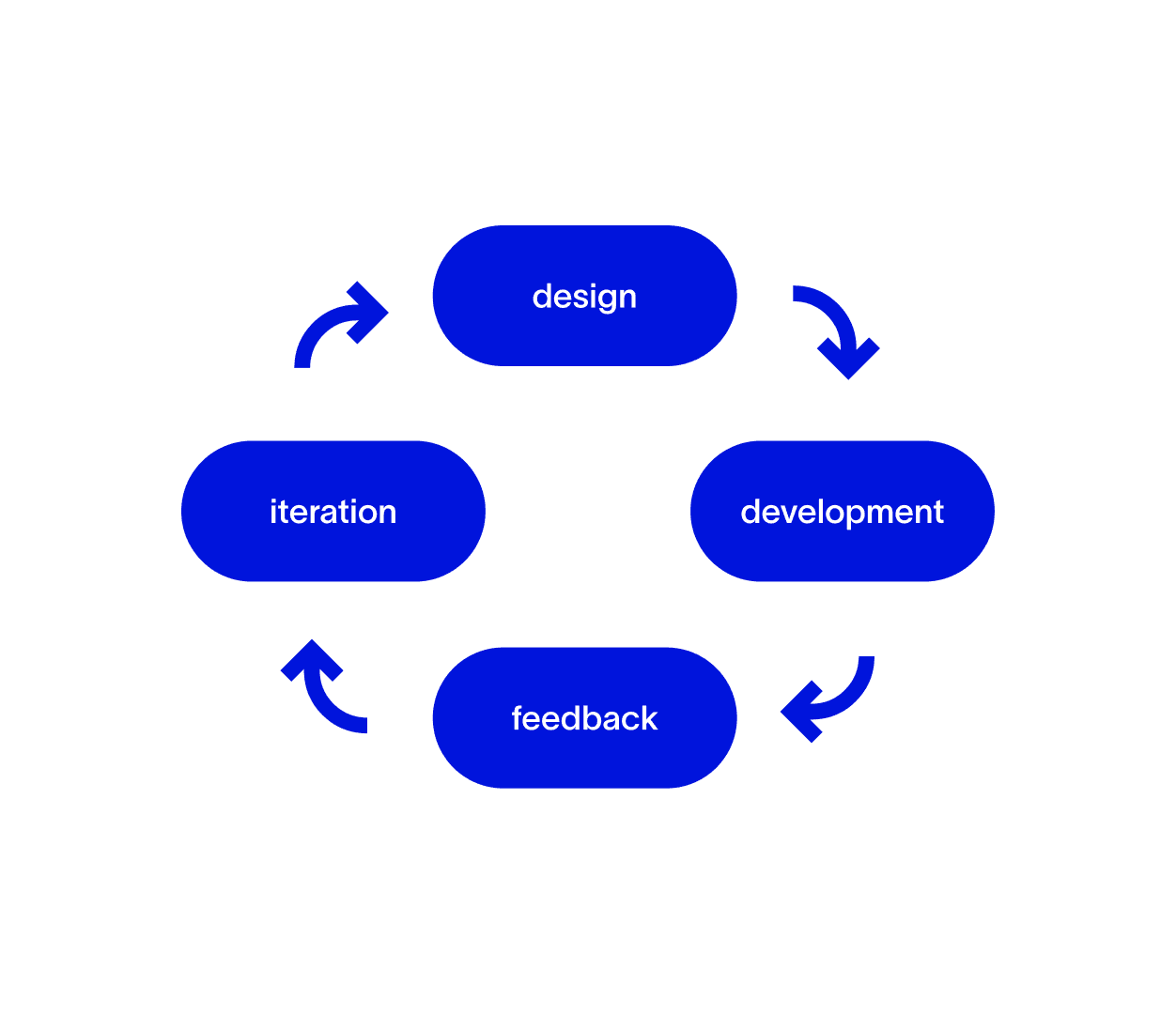
Developed interactive prototypes to validate design concepts and gather user feedback. This iterative approach allowed for continuous refinement based on user input.
Feedback and Testing
Conducted usability testing to validate the effectiveness of the design. Iterated on prototypes based on continuous feedback to ensure optimal usability.
Alignment with Principles
Maintained constant alignment with guiding design principles and the overall product vision throughout the development process.
PRoject Management
The use of sprints is based on agile methodology, which emphasizes iterative development and continuous improvement.
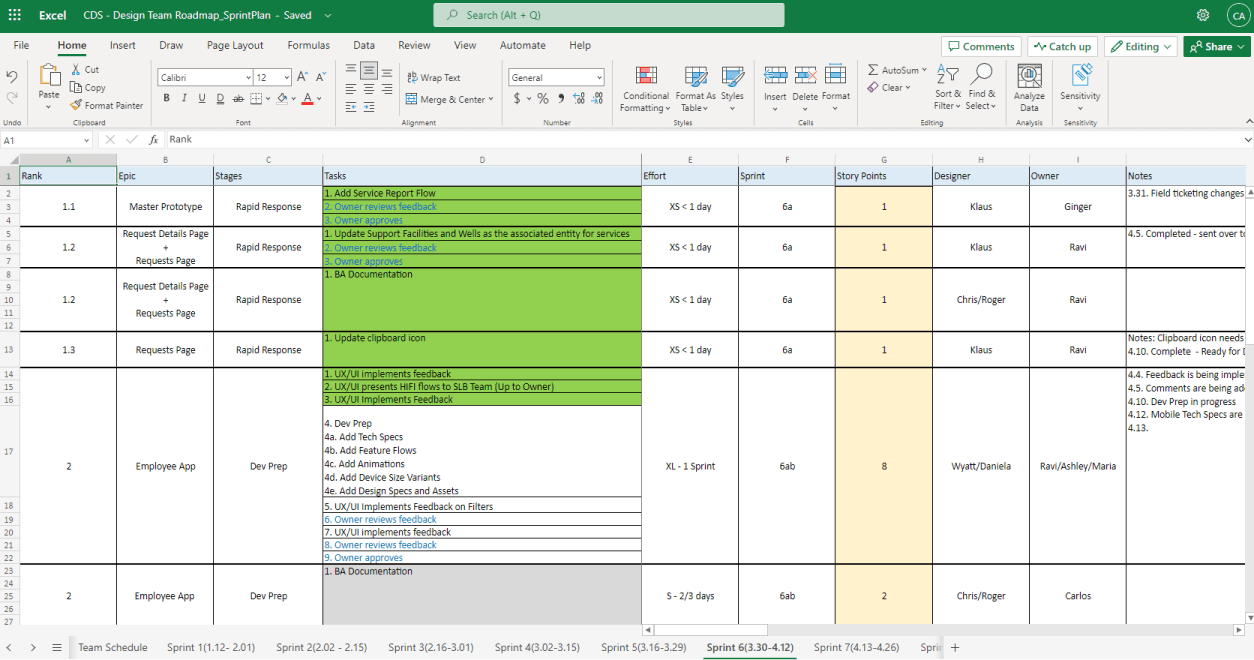
During sprint planning, the team prioritizes and plans out the tasks they will complete in the upcoming two weeks.
The team breaks down user stories, estimates effort, assigns tasks, and sets goals.
collaborative design process
Sprint 0: Ideation
SLB works internally to define user stories and establish the goals upfront.
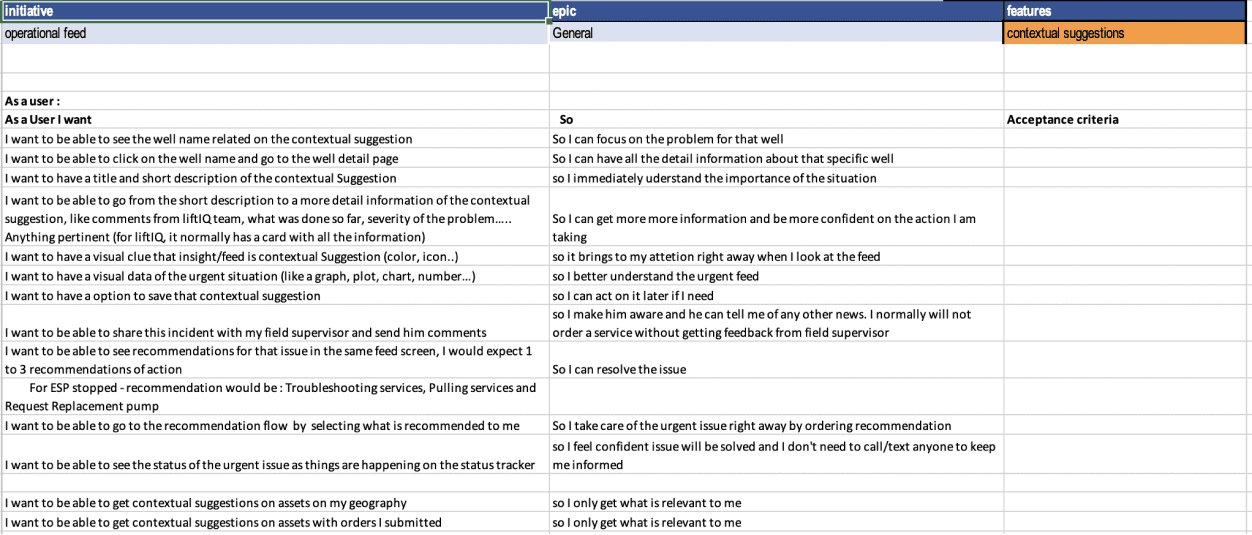
Challenges and objectives are carefully prepared to guide a design thinking workshop.
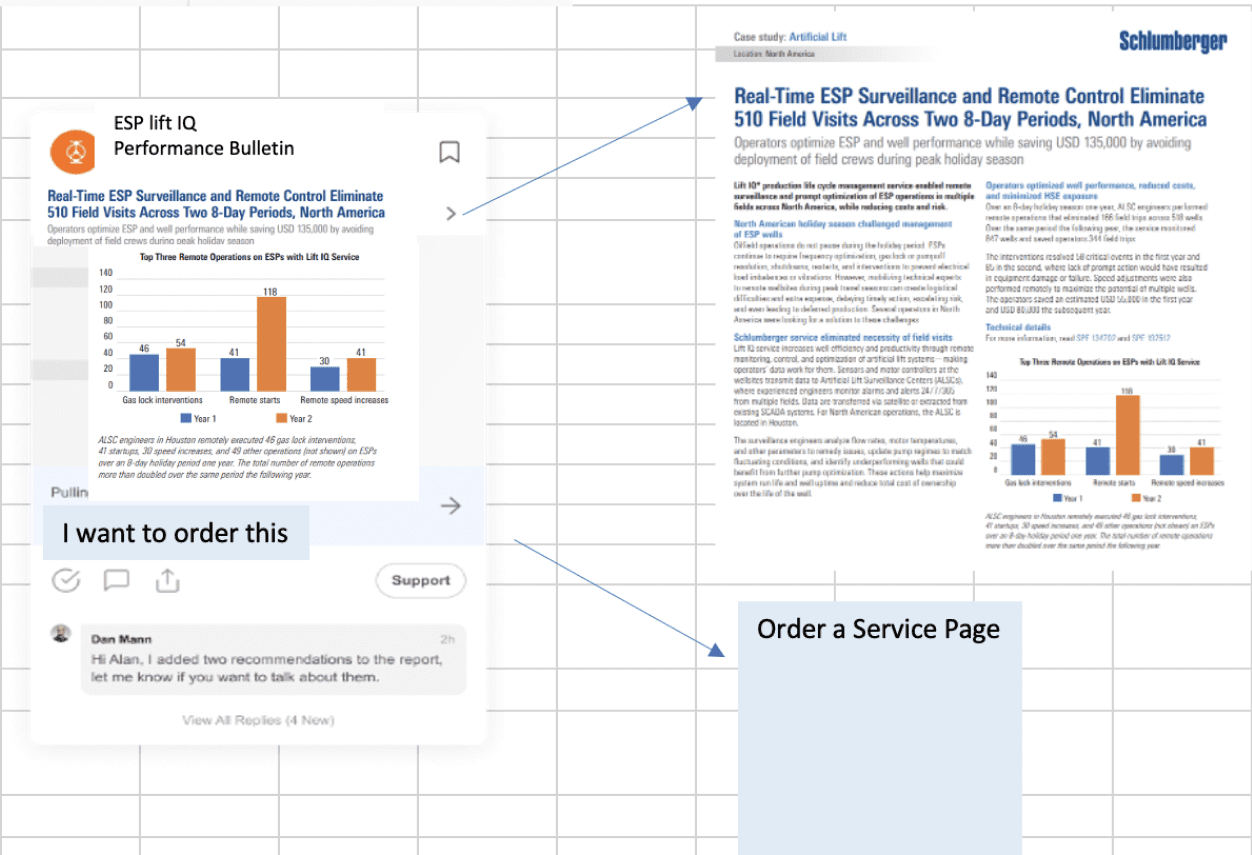
The team engages in a collaborative workshop that focuses on problem-solving, creativity, and innovation.
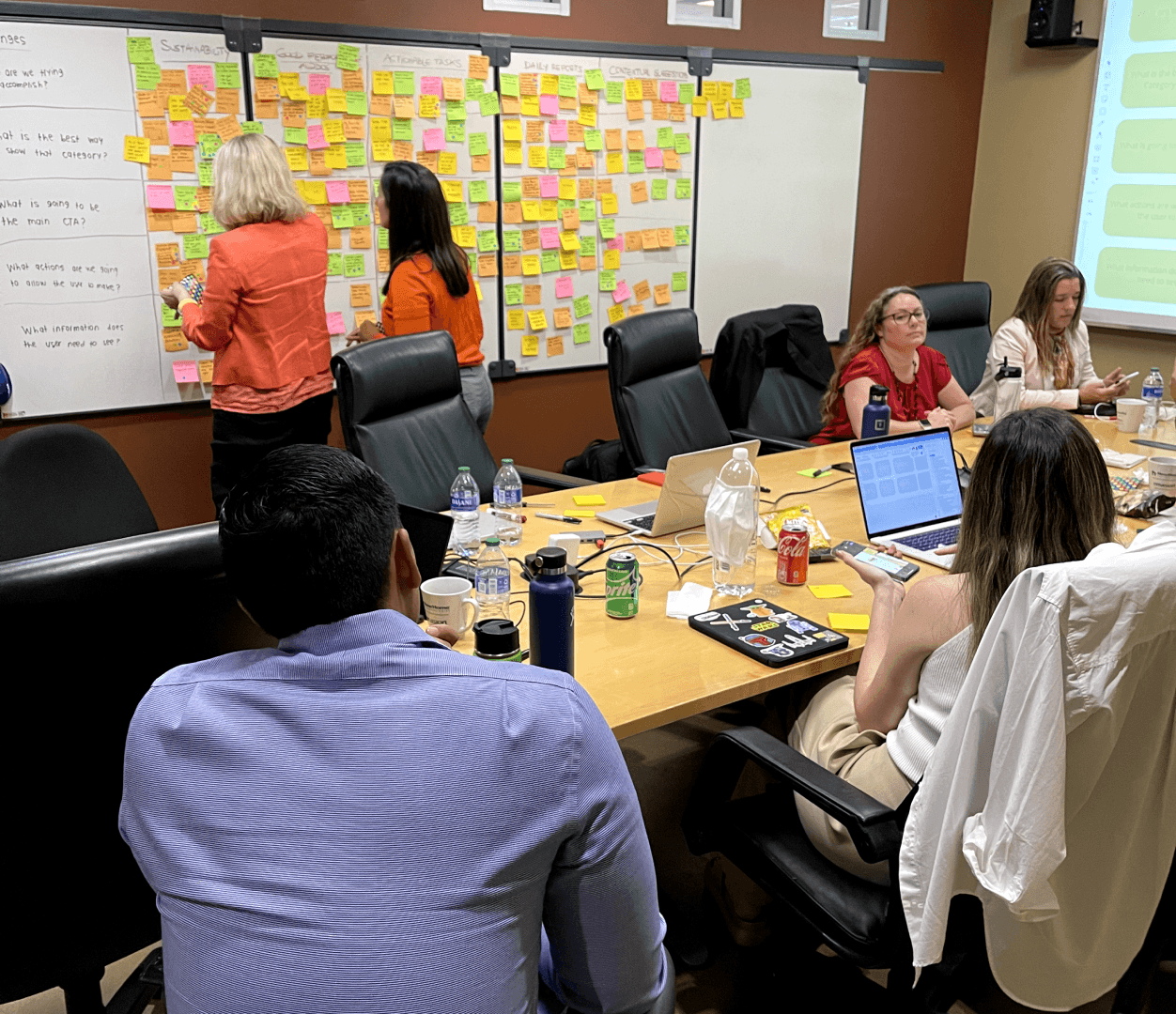
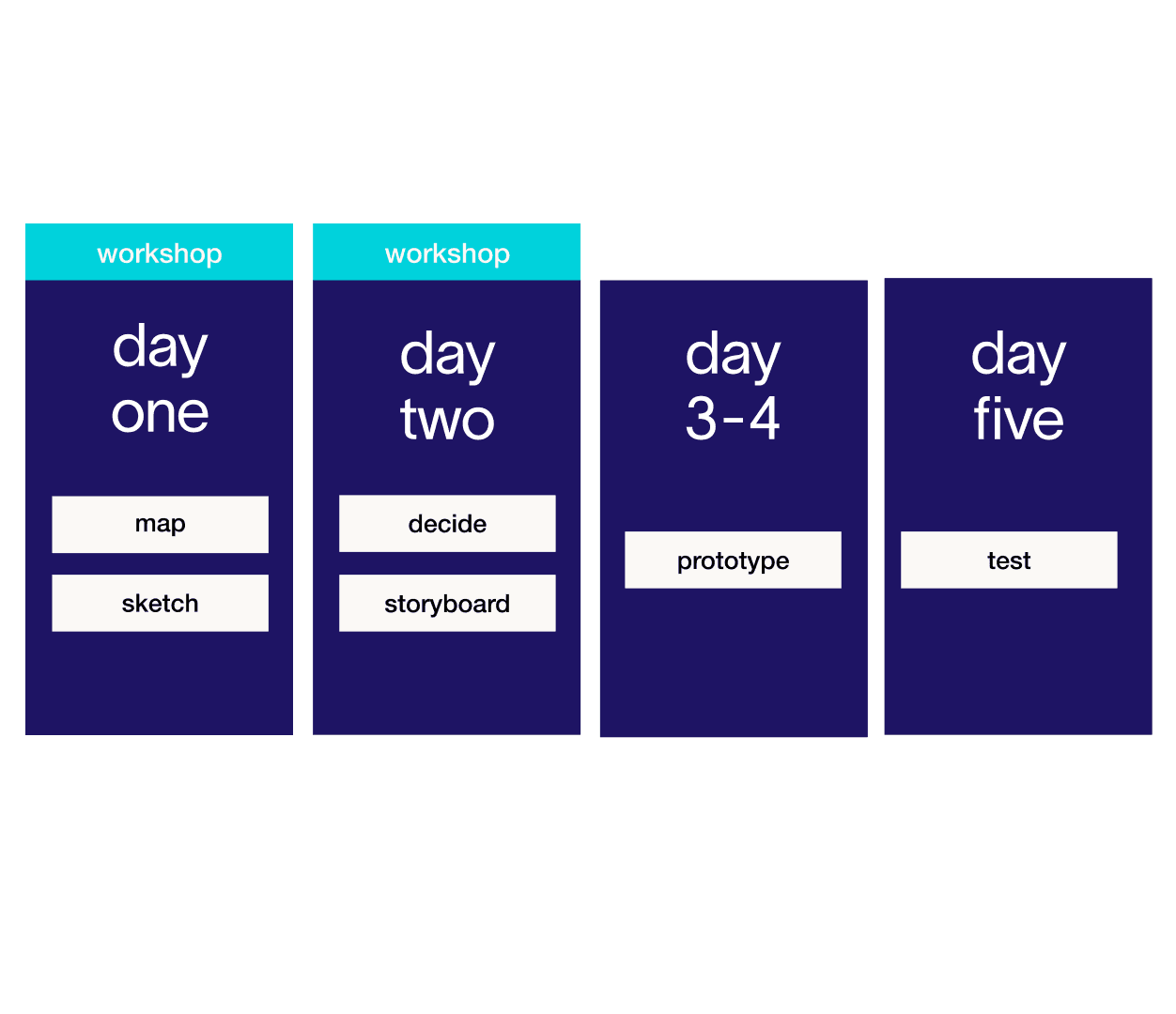
The workshop aims to define the project's goals, identify user needs, and generate a variety of ideas and concepts.
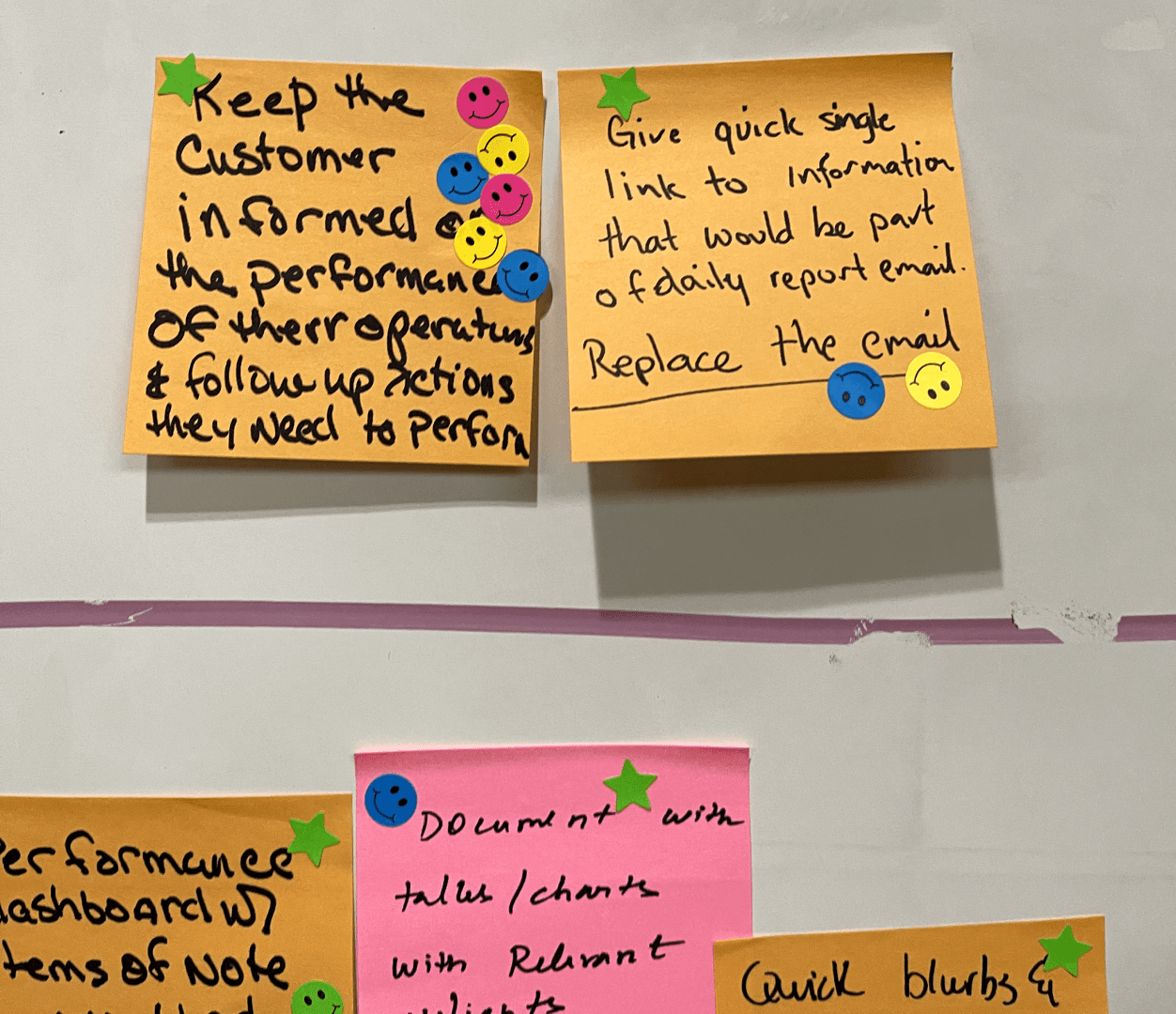
The ideas that are validated become the north star, but they are not implementable yet. They serve as the launch pad that propels us into the design phase.
1
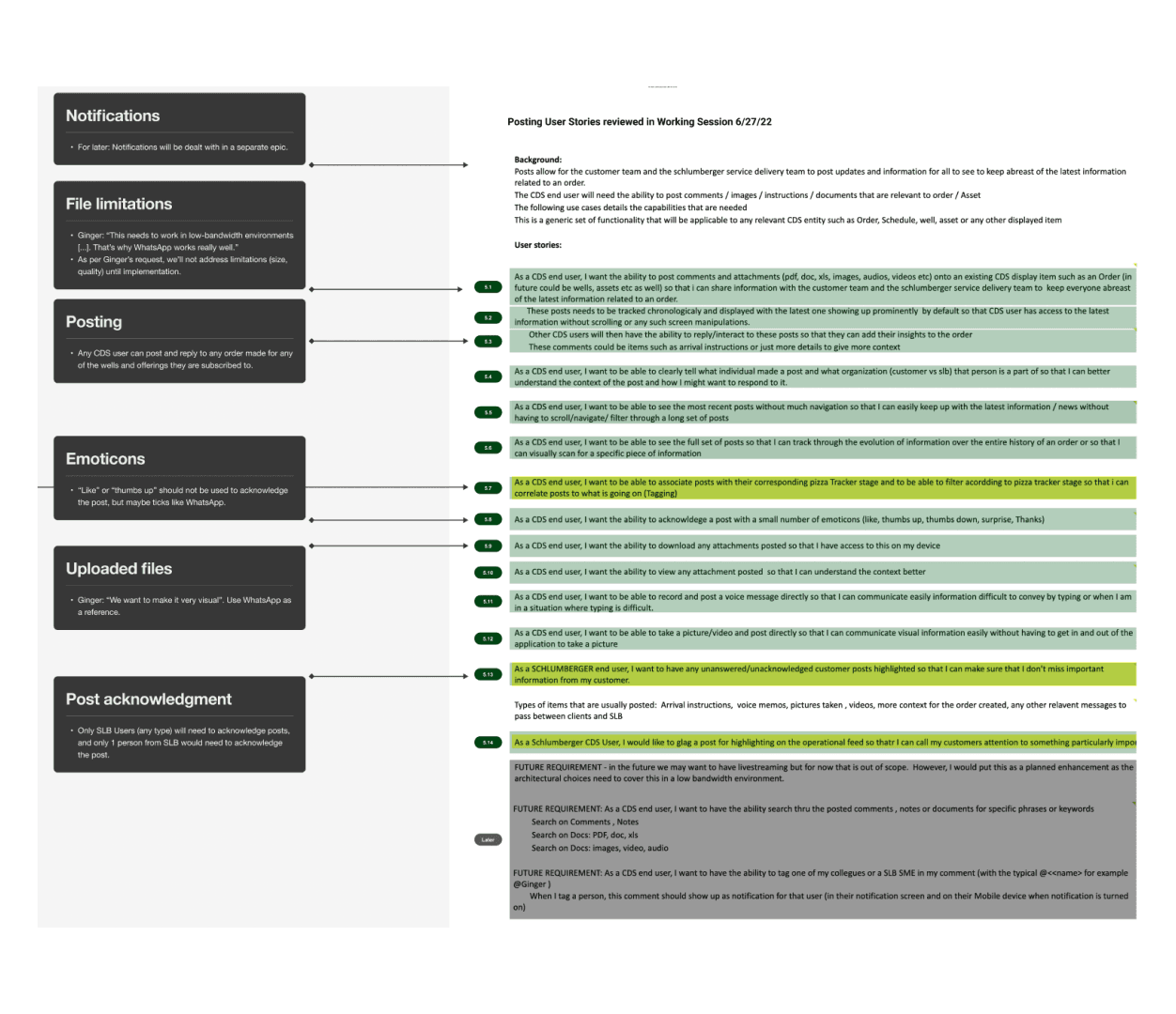
User stories
SLB writes the user stories based on the ideas
chosen from the workshop and Rocksauce
reviews them.
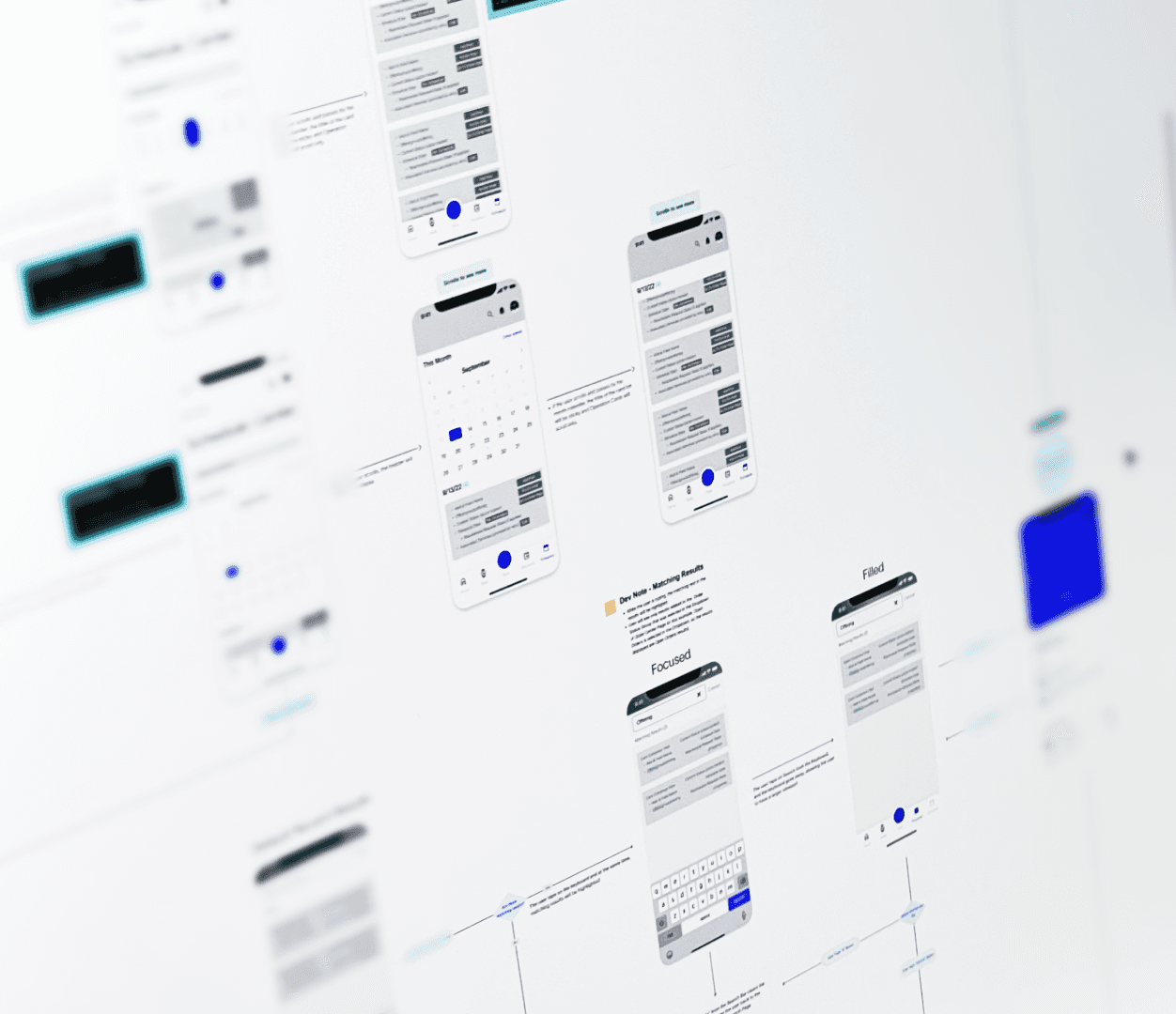
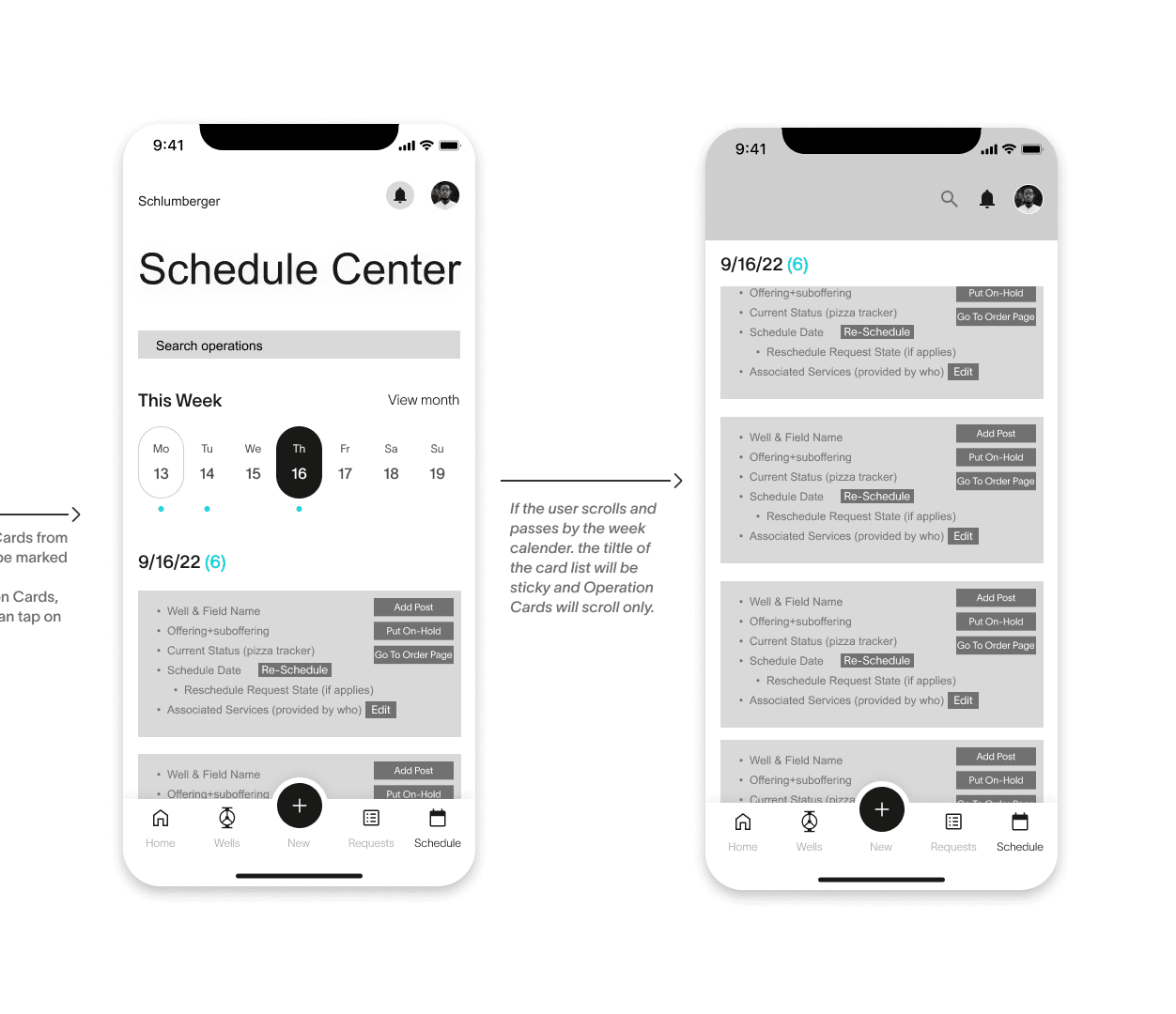
Wireframes
UX designers work with product managers to create low fidelity designs following the stories.
This will include content, information architecture, use cases and interactions.
2
High-Fidelity Prototyping
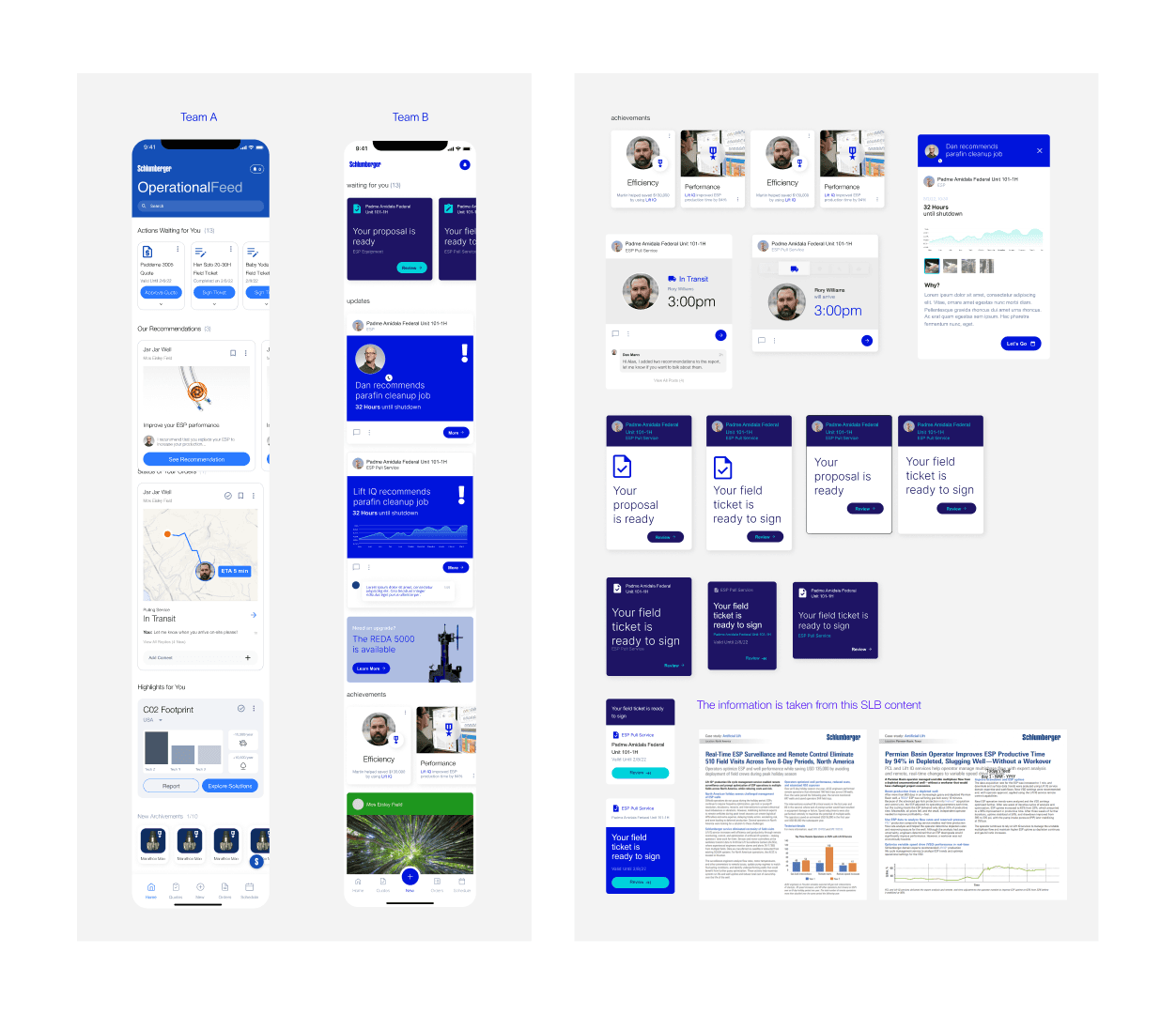
UI designers focus on crafting the visual elements and interactions, bringing the designs to life through high-fidelity prototypes. They also create and maintain the component library, ensuring consistency across the platform and aligning every element with the brand's aesthetic to enhance user engagement.
UX designers collaborate with product managers to define user flows and ensure designs meet both user needs and business goals.
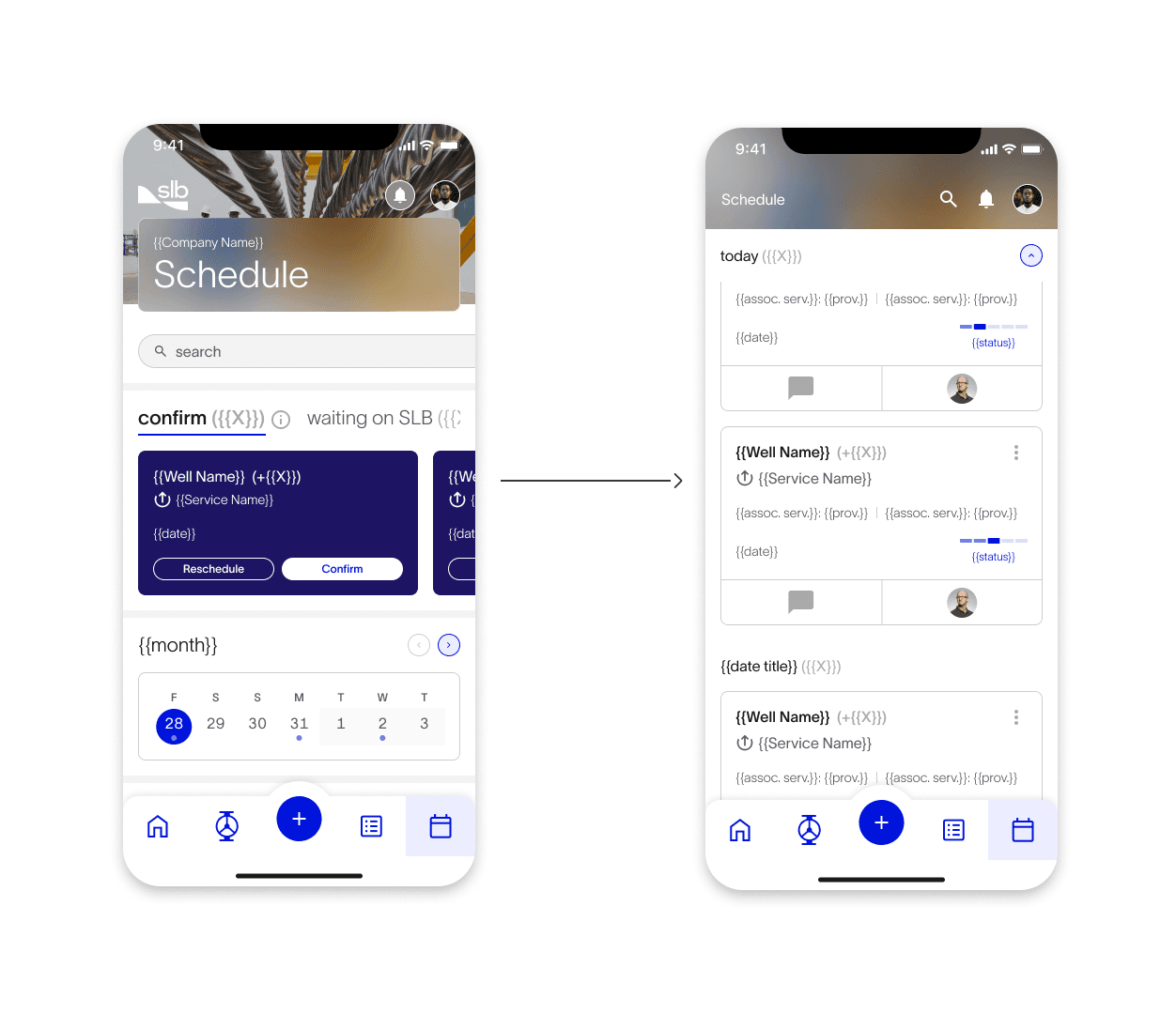
3
Test
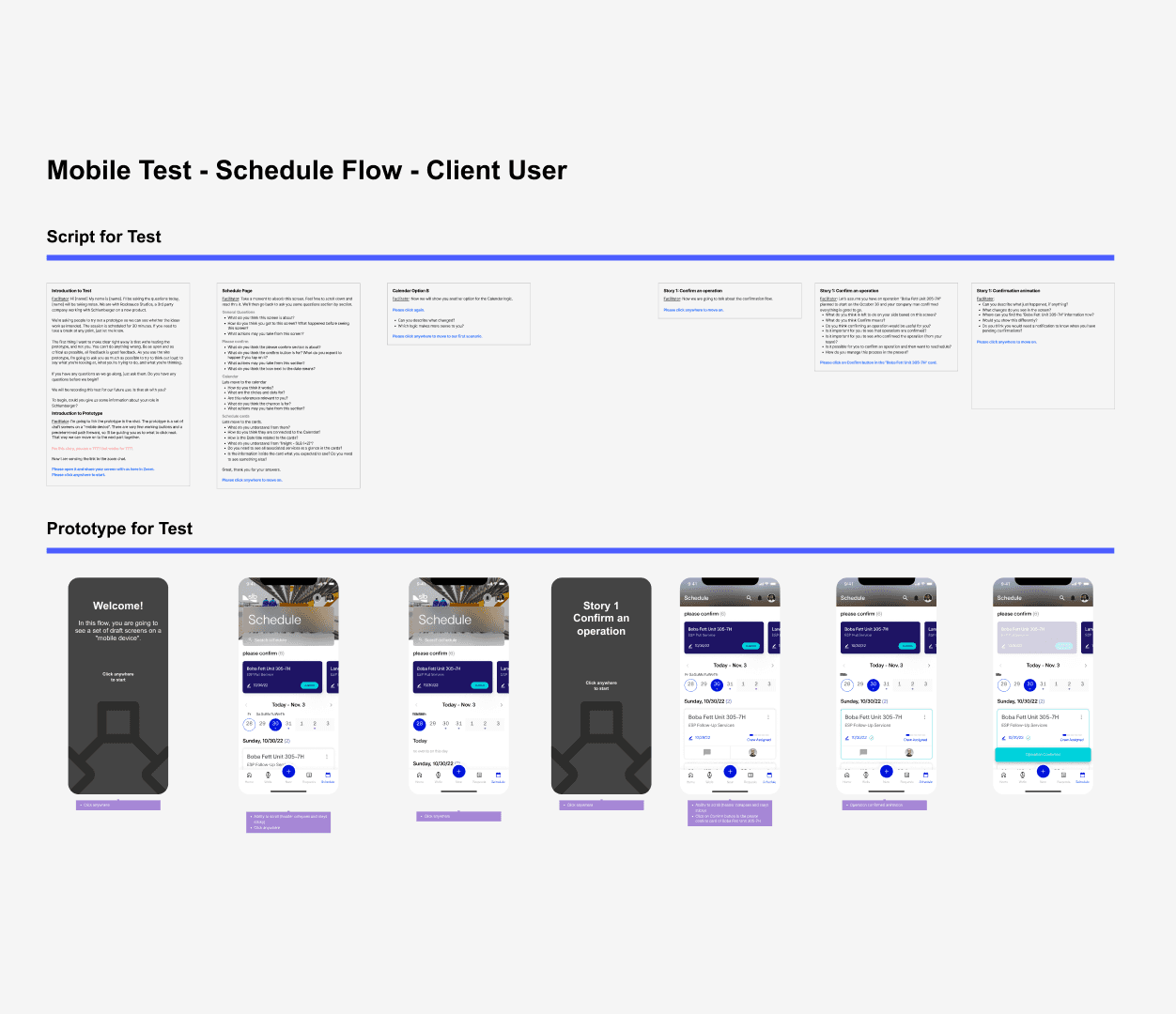
UI designers create the animated screens and visual elements that bring the flow to life, ensuring a seamless user experience during the test.
UX designers prepare a script and
a prototype to be tested with users.
They facilitate with testers and take notes. Testing results are compiled into a report with recommended next steps.
UI designers collaborate closely to prepare all visuals for the report, ensuring that the data is presented clearly and aligns with the overall design aesthetic.
4
Feedback
Implementation
SLB provides detailed feedback, and the EXSQ team makes revisions to the UI.
UI designers carefully incorporate these changes, ensuring that the updated designs maintain visual consistency and continue to enhance the user experience.

5
DeV
Preps
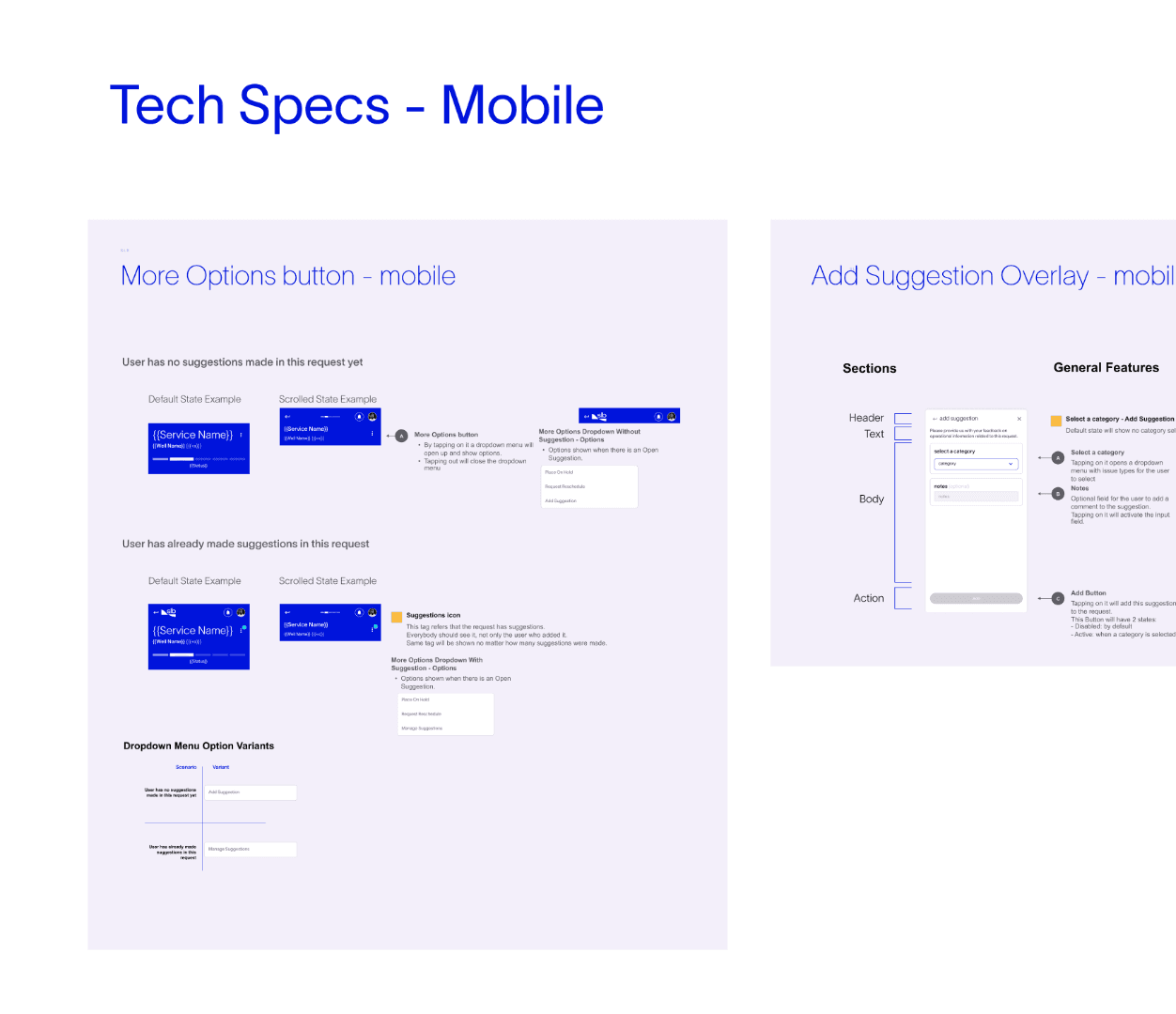
UX & UI designers prepare the design to be delivered to developers.
What We Deliver?
Design System

ATOMS
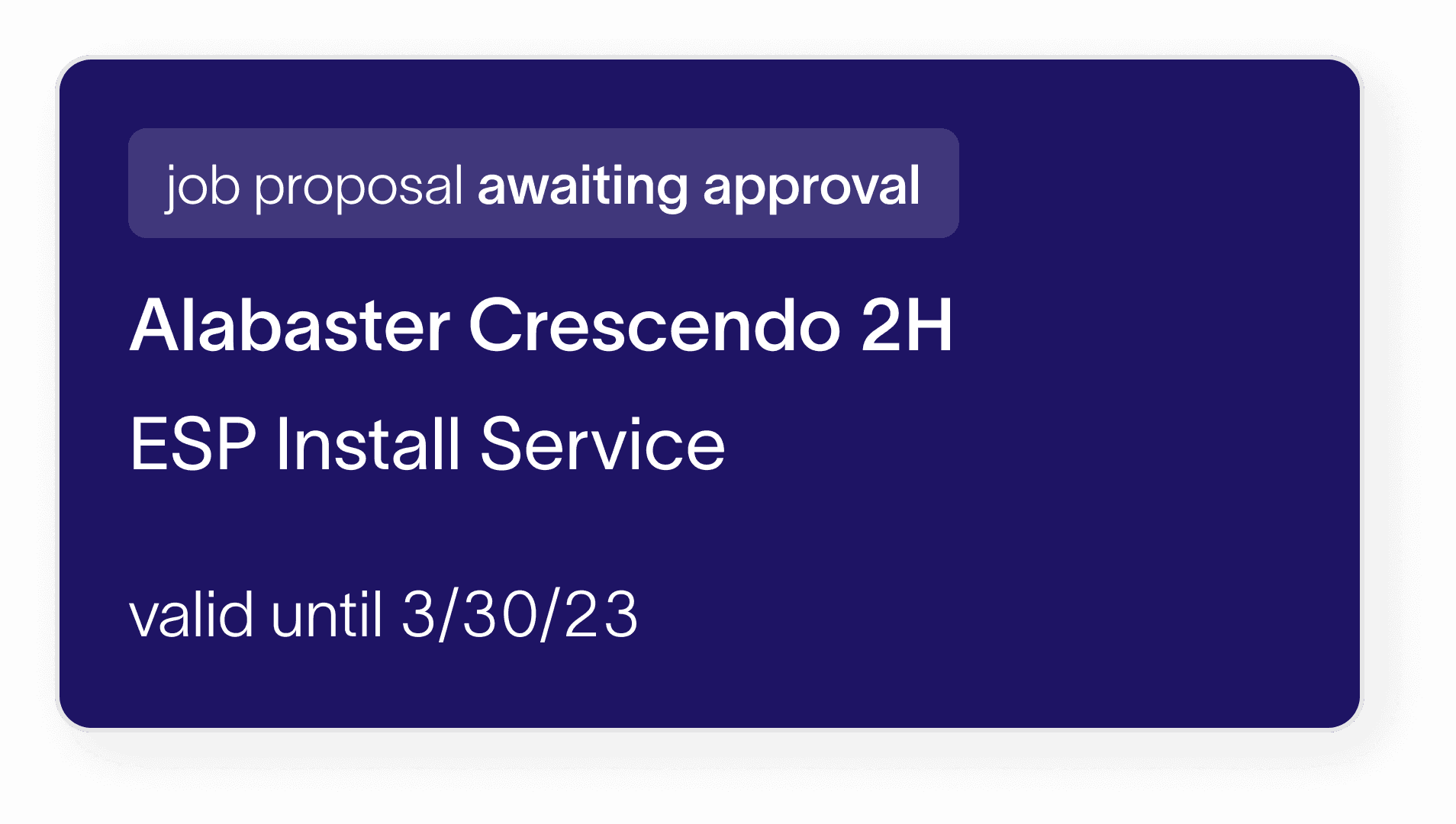
Molecule

ORGANISMS
Templates
Dev Kits